Visitor Analytics Explained: How to Use Audience Insights for Crypto and DeFi Apps

Key Takeaways
Visitor analytics for crypto and DeFi apps combines standard traffic metrics including traffic sources, page views, bounce rate, and session behavior with wallet-level data to link anonymous visitor sessions directly to on-chain identity and transaction history.
Wallet analytics within visitor dashboards surface high-value users including whales and active on-chain traders by matching visitor sessions to wallet activity, which standard web analytics tools have no mechanism to do.
UTM attribution and on-chain data work together in a single dashboard to trace which acquisition channels convert into genuine on-chain users rather than passive web visitors.
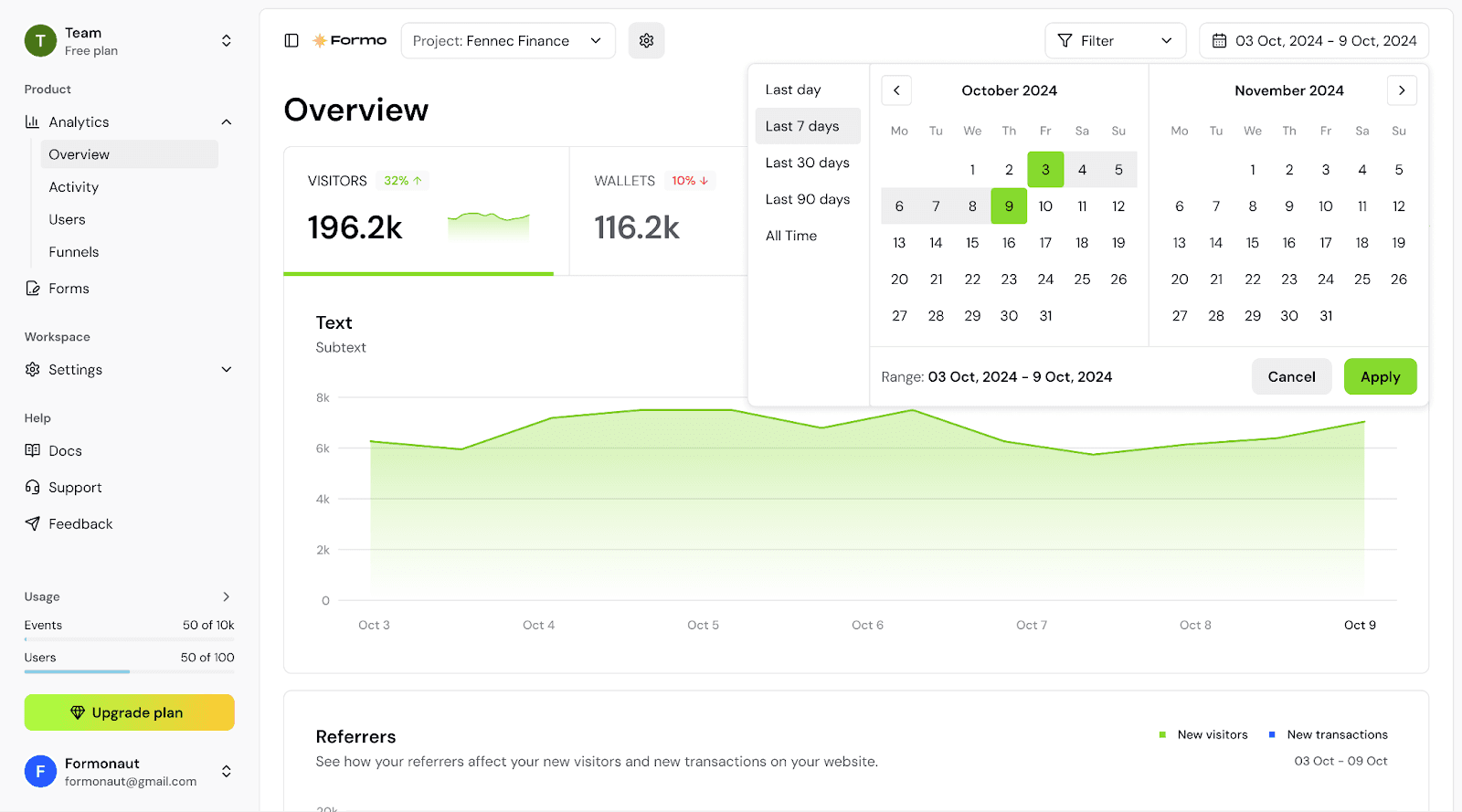
We’re excited to showcase Visitor Analytics for Web3—a real-time dashboard designed for Web3 marketing and data teams to track visitor activity, analyze wallets, and optimize user engagement. With Formo’s Visitor Analytics, you can gain deeper audience insights, boost user retention, and make data-driven product decisions.
That combined view is the foundation of product analytics, where teams connect visits, wallet connections, and product events.

What is Visitor Analytics?
Visitor Analytics, also known as Traffic Analytics, involves tracking, measuring, and analyzing website traffic to understand user behavior and visit sources, thereby helping Web3 teams and marketers optimize their online presence based on real data.
Key Metrics in Traffic Analytics
Traffic Sources: Identifies the origins of visitor traffic, such as organic search, social media, paid advertisements, direct visits, and referrals.
User Behavior: Monitors metrics like page views, time spent on site, bounce rate, and navigation paths.
Demographics: Analyze visitor information, including countries, languages, and device types.
Conversions: Measures goal completions, such as sign-ups, purchases, or form submissions.
New vs. Returning Visitors: Assesses audience engagement and retention by distinguishing between first-time and repeat visitors.
By analyzing these metrics, marketers can refine growth strategies and maximize ROI through informed, data-driven decisions.
Why Web3 Visitor Analytics?
Understanding Web3 users presents unique challenges due to pseudonymity. Formo bridges this gap by integrating traditional web visitor analytics with on-chain data, empowering Web3 teams to track visitor numbers, wallet interactions, and transactions. This integration reveals which tactics drive product adoption and growth.
Gain insights into user segments by country, referrer, device, browser, and UTM parameters to evaluate campaign performance and ROI. Advanced filters allow analysis of how different segments and wallet types engage with your decentralized application (dapp) over time—all within a single, intuitive dashboard.
What can I do with Visitor Analytics?
Real-Time Traffic Monitoring: Observe visitor metrics as they occur.
User Acquisition Analysis: Identify top acquisition sources using UTM and on-chain attribution.
Marketing Optimization: Enhance ROI and reduce unnecessary spending.
Growth Measurement: Assess metrics such as Daily Active Users (DAU), Weekly Active Users (WAU), and Monthly Active Users (MAU).
Reach High-Value Users: Identify and engage whales and active onchain users.
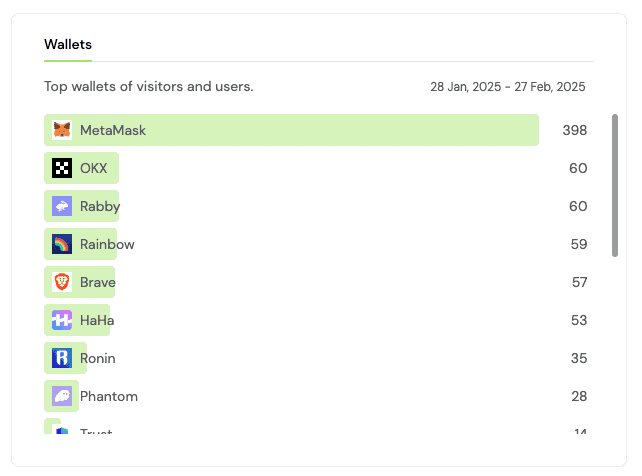
Wallet Analytics: Discover the top wallets among your visitors and users.
Improve User Experience: Utilize real user insights to improve UX and community engagement.
Summary
Web3 visitor analytics combines traditional website analytics with wallet intelligence to help teams understand who visits their dapp, where they come from, and what they do after connecting a wallet.
By linking traffic sources, UTM parameters, and visitor behavior with onchain activity, product and marketing teams can measure acquisition quality, identify high-value users, improve onboarding, and optimize marketing ROI. This guide explains the key visitor analytics metrics every Web3 team should track and how to turn anonymous traffic into actionable growth insights.
Get Started with Formo
Don’t let valuable visitor insights go unnoticed. Understand your audience with Visitor Analytics for Web3. Supercharge your dapp with Formo to drive engagement, user acquisition, and growth.
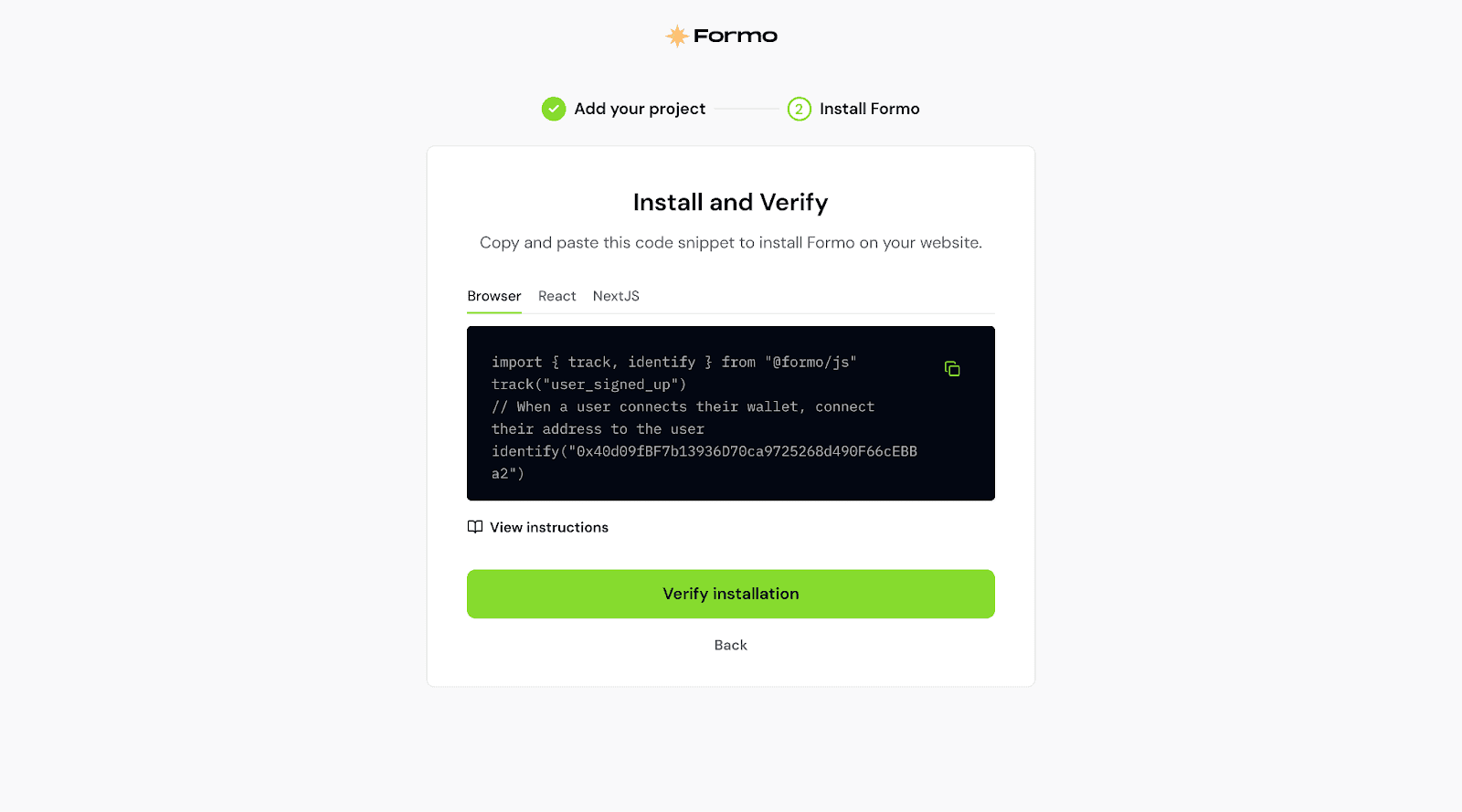
Sign In and Install: Log in and install Formo on your dapp or website.
Access the Overview Page: Navigate to the “Overview” section for a detailed breakdown of your visitors and users.
Analyze and Optimize: Understand traffic sources, UTM attribution, and refine your growth strategy.
Follow us on LinkedIn and X for more onchain growth insights.
Frequently asked questions
What is Web3 visitor analytics?
Web3 visitor analytics combines traditional website analytics with blockchain data to help teams understand both anonymous visitors and connected wallet users. Instead of measuring page views alone, it links visitor sessions with wallet connections, smart contract interactions, and onchain activity to provide a complete picture of the user journey.
Why is visitor analytics different in Web3?
Traditional analytics platforms stop tracking users once they leave the website or connect a wallet. Web3 visitor analytics bridges the gap between offchain and onchain behavior by connecting website sessions with wallet addresses and blockchain activity. This allows teams to measure which traffic sources generate users who actually transact, stake, or retain over time.
What visitor metrics should Web3 teams track?
The most important metrics include traffic sources, page views, bounce rate, session duration, new versus returning visitors, wallet connections, conversion rate, onchain transactions, DAU, WAU, MAU, and marketing attribution. Tracking both web engagement and blockchain activity helps teams understand where users drop off and which acquisition channels generate long-term value.
How do you connect website visitors to wallet addresses?
The process starts by capturing visitor sessions and UTM parameters when someone lands on your website. Once they connect a wallet, that wallet address is linked to the existing session. Future transactions, smart contract interactions, and product events are then associated with the same user journey, enabling accurate attribution from the first visit through onchain conversion.
Can visitor analytics identify high-value crypto users?
Yes. By combining visitor analytics with wallet intelligence, teams can identify whales, experienced DeFi users, high-net-worth wallets, and active onchain participants. Instead of treating every visitor equally, teams can prioritize users based on wallet value, protocol activity, transaction history, and lifecycle stage.
How does visitor analytics improve marketing ROI?
Visitor analytics shows which acquisition channels generate meaningful onchain outcomes rather than just website traffic. By connecting UTM parameters and referral sources to wallet connections and transactions, teams can compare channels based on transaction volume, retained users, protocol revenue, and customer lifetime value instead of clicks or page views alone.
What is the difference between visitor analytics and product analytics?
Visitor analytics focuses on acquisition and website behavior, including traffic sources, landing pages, and visitor engagement. Product analytics focuses on how users interact with your application after they arrive, such as onboarding, feature adoption, retention, funnels, and smart contract interactions. Together they provide a complete view of the customer journey from first visit to long-term user.
How does Formo help with Web3 visitor analytics?
Formo combines visitor analytics, wallet intelligence, and onchain attribution in a single platform. Teams can track website traffic, connect visitor sessions to wallet addresses, analyze acquisition channels, identify high-value users, measure DAU, WAU, and MAU, and understand how marketing campaigns translate into onchain activity without building custom blockchain data pipelines.