From Noise to Clarity: How Ammalgam Saved Weeks of Engineering Before Mainnet

Key Takeaways
Ammalgam analytics uses Formo to replace custom testnet tracking, gaining same-day visibility into wallet activity and user behavior before mainnet launch
Ammalgam identifies power users and meaningful wallets using Formo, replacing guesswork with behavioral segmentation across testnet activity and flows
Ammalgam saves weeks of engineering by using Formo dashboards and AI exploration, enabling mainnet readiness without building custom analytics pipelines
Ammalgam uses Formo to separate signal from noise on testnet. Identify power users, track journeys, and launch mainnet with real insights. Read the case study.
Setup time: Same day · Minimal engineering and infra required · Launching on Sonic + Ethereum
“Formo is a strong fit for startups with a relatively narrow budget - it can be launched quickly, is straightforward to use, and covers most core metrics without requiring a complex data stack.”
— Will Fey, Founder at Ammalgam
Meet Will Fey, Founder at Ammalgam
Will is the founder and lead developer at Ammalgam. He’s been building the protocol for the past four years, leading the core architecture and execution from day one.
About Ammalgam
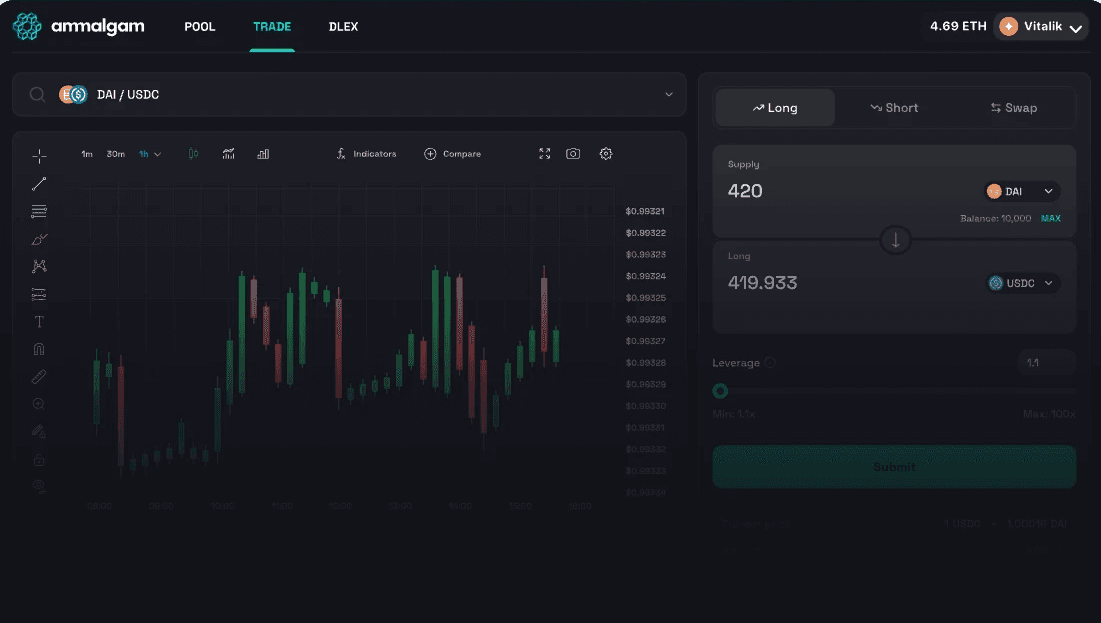
Ammalgam is building a Decentralized Lending Exchange, a unified protocol that integrates two core DeFi primitives into a single platform: trading, lending, and borrowing.
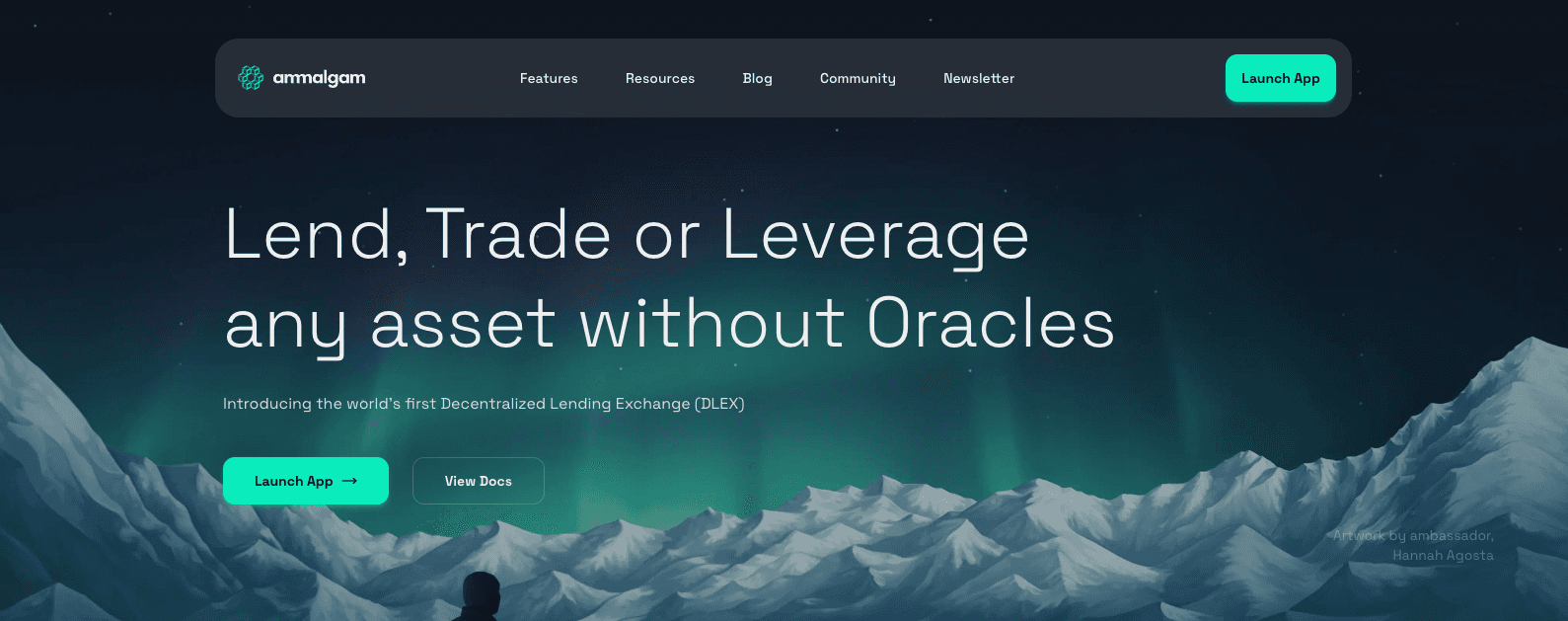
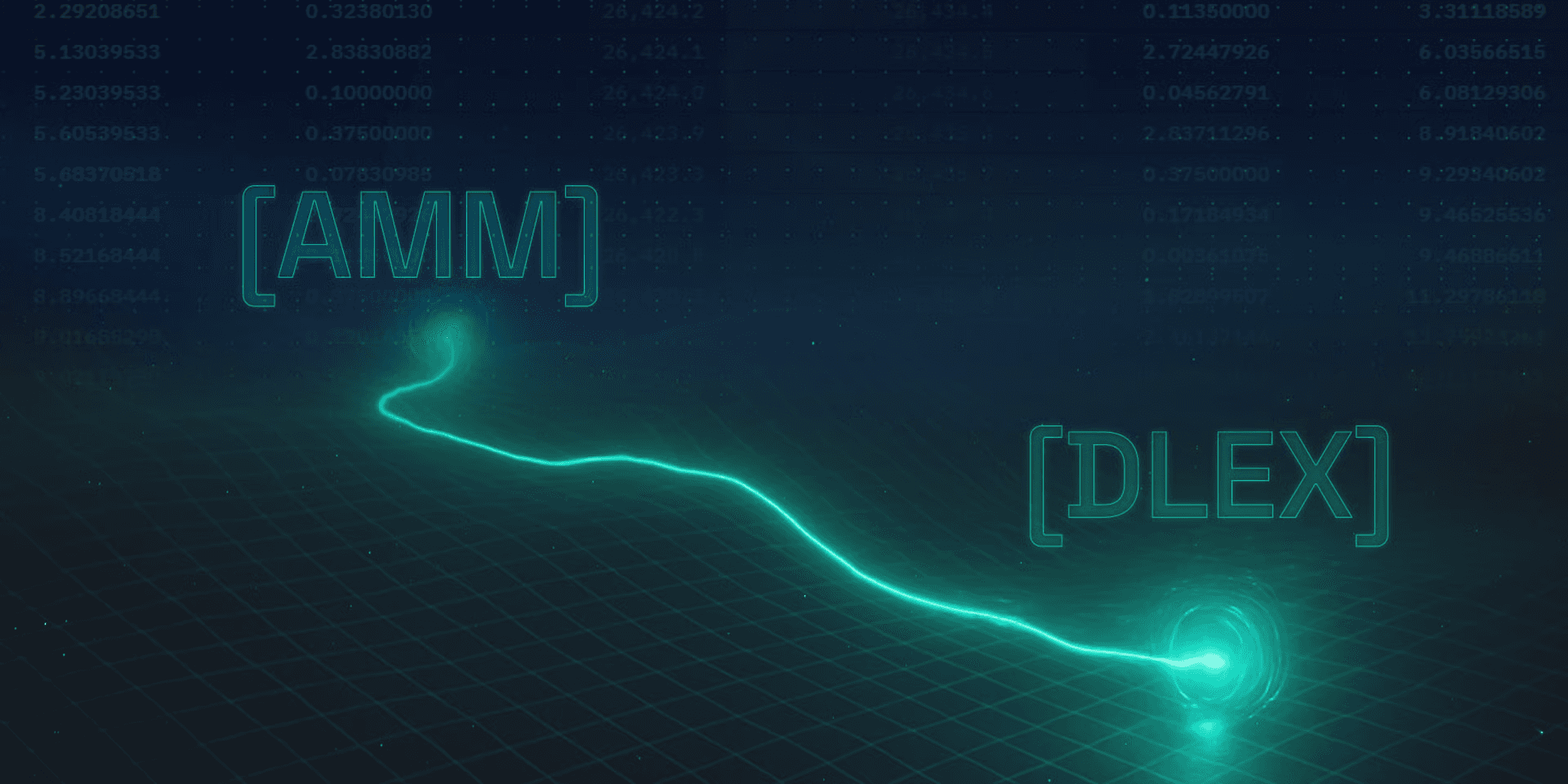
In most DeFi setups, liquidity sits fragmented across a DEX for swaps and a money market for borrowing. Ammalgam’s insight is simple but powerful: let the same liquidity do more. Users can swap, provide liquidity, and borrow or lend against a shared liquidity layer. This makes markets more capital-efficient and strategies easier to execute without stitching together multiple protocols.
Target audience:
Liquidity providers seeking better capital utilization and clearer, strategy-driven yield
Active traders who want deeper liquidity and simpler access to leverage
Market makers and vault strategists looking for a unified venue to deploy inventory and manage risk
Integrators and protocols wanting to route through efficient infrastructure

The protocol design is oracle-free and capital-efficient, a significant technical achievement that required extensive auditing. Smart contracts were reviewed by two separate firms, plus a public audit competition with Cantina to surface potential issues pre-mainnet. Amalgam is currently undergoing their final audit.
The Challenge: Separating Signal from Noise
On testnet, Ammalgam saw activity. But activity without context only tells part of the story.
“On the testnet, we saw activity but lacked clarity on the user base. We couldn’t reliably distinguish between meaningful users and noise, identify power users, or build ‘dream user’ personas based on real behaviour.
We also didn’t have a straightforward way to map the user journey end-to-end across onchain actions and offchain touchpoints, so it was hard to answer basic questions such as where users drop off, which flows drive repeat usage, and what pain points are causing friction.”
This is a well-known gap in Web3 analytics: traditional tools miss onchain context and blockchain explorers miss the full user journey. Without purpose-built tooling, teams have to contend with incomplete information.
The core problems:
Hard to distinguish meaningful users from noise: Testnet attracts everyone from serious DeFi power users to casual clickers and bots
Limited power user identification: Who were the LPs, vault strategists, and active traders that would matter most at mainnet?
Incomplete user personas: Without behavioral data, building accurate user profiles required more guesswork than the team wanted
Gaps in user journey visibility: Harder to see where users drop off, which flows drive repeat usage, or what friction points exist
For a protocol preparing for mainnet on both Sonic and Ethereum, the team wanted better visibility before launch.
Why Ammalgam Choose Formo
When evaluating analytics tools, Ammalgam prioritized speed-to-insight without adding tooling overhead to an already complex pre-launch checklist.
What made Formo stand out:
Free trial to prove value: Start immediately and validate before committing budget. No procurement process, no pilot negotiations. Just deploy and see results.
Superior day-to-day UX: Easy to explore, segment, and iterate on dashboards without constant analyst time. For a lean team in execution mode, this eliminates the hidden cost of maintaining analytics.
AI-powered exploration: Answer questions quickly without building complex queries. It’s like a simplified, more accessible version of Dune for daily decision-making. Questions that would require custom Dune queries get answered in seconds.
“We chose Formo because it provided the fastest path to actionable insights without adding tooling overhead. The UI and overall UX were better for day-to-day use.”
The build-vs-buy calculation:
Building In-House | Using Formo |
|---|---|
2-4 weeks setting up custom analytics | Same-day deployment |
Ongoing Dune query maintenance | Zero query writing required |
Dedicated analyst for segmentation | AI-powered self-serve exploration |
Engineering distraction pre-mainnet | Focus stays on shipping the protocol |
For a team finalizing audits and preparing for dual-chain mainnet, every engineering hour matters. Instead of cobbling together scripts and BI tools that become a maintenance burden, Formo removed analytics from the critical path entirely.
How Ammalgam Uses Formo Day-to-Day
The team checks Formo regularly to understand testnet activity and prepare for mainnet. Setup was smooth and fast, with useful dashboards running without a heavy implementation process.
“We were able to get started quickly and have useful dashboards up without a heavy implementation process.”
Core use cases:
Identifying power users: Finding the LPs, vault strategists, and active traders who will matter most at mainnet
Tracking user journeys: Understanding where users engage deeply versus bounce
Answering questions fast: Using the AI layer to explore data without writing custom Dune queries
Building user personas: Creating “dream user” profiles based on real behavior, not guesswork
“The most valuable parts of Formo for us are the dashboards, the user-level tracking, and the AI layer. The dashboards make it easy to go from raw activity to a clear view of what’s happening without spending hours stitching data together.
The AI integration is a big plus - it enables us to explore and answer questions quickly and feels like a simplified, more accessible version of Dune analytics for day-to-day decision-making.”
Results & Impact
Ammalgam’s mainnet launch on Sonic and Ethereum is expected within weeks. The team is fully locked in. Final audit steps are underway, and early interest in liquidity is already building.
Time & Resource Savings
Without Formo | With Formo |
|---|---|
2-4 weeks setting up custom analytics | Same-day deployment |
Dedicated data analyst for segmentation | AI-powered self-serve exploration |
Engineering distraction pre-mainnet | Focus stays on shipping the protocol |
Key Outcomes
✓ Clear user segmentation: Distinguish meaningful users from testnet noise
✓ Power user identification: Know which LPs and traders to prioritize from day one
✓ End-to-end journey visibility: See where users drop off and which flows drive repeat usage
✓ Mainnet-ready intelligence: Launch with real user insights, not assumptions
Time saved: By not building custom analytics, Ammalgam kept engineering focused on what matters: shipping a secure, audited protocol on two chains simultaneously.
Advice for Builders
“Ship something people can use as early as possible, then let real behaviour drive your roadmap.
Start by picking one clear user and one core action you want them to repeat. Measure end-to-end, talk to the users who succeed and those who drop off, and iterate quickly.”
Summary
“I recommend Formo, especially for early-stage teams. Formo is a strong fit for startups - it can be launched quickly, is straightforward to use, and covers most core metrics without requiring a complex data stack.”
For protocols navigating the critical testnet-to-mainnet transition, Formo provides the user intelligence layer that transforms anonymous activity into actionable insights. It saves weeks of engineering time and eliminates the need for dedicated data teams:
For DeFi teams building new apps and primitives, Formo provides the crypto-native analytics layer helps you measure what matters with fewer tools, faster launches, and better visibility:
Unified Analytics: Track the entire user journey from first click to onchain transaction in one dashboard. No more data plumbing across fragmented tools.
Wallet Intelligence: Segment users into cohorts like “Power Users” based on in-app activity, wallet labels, and onchain data.
Onchain Attribution: Measure true campaign ROI by tracking which channels drive valuable onchain activity, not just clicks.
Real-Time Dashboards: Identify drop-off points and make data-driven decisions without a dedicated data team or SQL knowledge.
Transform anonymous wallet addresses into actionable user intelligence. Book a demo to get started.
Follow Formo on LinkedIn and X.
Learn more about Ammalgam
Twitter: @ammalgam
Discord: discord.gg/ammalgam
Frequently Asked Questions
What is Ammalgam?
Ammalgam is a Decentralized Lending Exchange that unifies trading, lending, and borrowing into a single protocol. Instead of fragmenting liquidity across a DEX and money market, Ammalgam lets the same liquidity do more. The protocol is oracle-free and launching on both Sonic and Ethereum.
What analytics challenges do pre-mainnet protocols face?
Pre-mainnet protocols often see testnet activity but lack clarity on who their users are. It’s hard to distinguish meaningful users from noise, identify power users like LPs and vault strategists, build accurate user personas, and map the full user journey across onchain and offchain touchpoints.
How long does it take to set up Formo?
Ammalgam deployed Formo and had useful dashboards running the same day. There’s no heavy implementation process or complex configuration required.
Does Formo require a dedicated data analyst?
No. Formo’s AI-powered exploration lets teams answer questions quickly without writing custom queries. It’s like a simplified version of Dune for daily decision-making, eliminating the need for dedicated analyst time.
Can Formo help identify power users before mainnet?
Yes. Ammalgam uses Formo to identify LPs, vault strategists, and active traders on testnet so they know which users to prioritize from day one at mainnet launch.
Is Formo a good fit for startups with limited budgets?
Yes. Formo offers a free trial to prove value before committing budget, and the pricing is designed for early-stage teams. Will Fey describes it as “a strong fit for startups with a relatively narrow budget.”