
Crypto User Activation Metrics: The 3 Signals That Predict Retention (2026 Guide)

Key Takeaways:
Crypto user activation metrics track three core signals: activated wallets, activation rate, and time-to-first transaction after onboarding.
Activation rate measures the share of new wallets that complete at least one meaningful onchain action, making it the clearest signal of onboarding effectiveness.
Time-to-first transaction is a leading indicator of retention, as users who transact quickly after signup show higher long-term engagement than those who delay.
Crypto user activation metrics are crucial for enhancing engagement and retention in 2025, with projections indicating 861 million global users. Key metrics include activated wallets, activation rates, and time-to-first transaction. Effective onboarding processes can boost activation rates by up to 40%. Best practices involve streamlined KYC integration and tailored user experiences. Future trends highlight the intersection with AI, tokenization of assets, and a focus on security, shaping user engagement strategies in the evolving crypto landscape.
As crypto markets evolve, many teams grapple with understanding user behaviour amidst complex data landscapes. This article will clarify essential crypto user activation metrics for 2025, enabling teams to make informed decisions that drive growth and engagement. Notably, recent studies indicate that companies leveraging integrated data analytics can boost user activation rates by up to 40%, highlighting the importance of effective measurement strategies.
Introduction to Crypto User Activation Metrics
Understanding crypto user activation metrics is essential for optimizing user engagement and retention in the rapidly evolving blockchain landscape. These metrics provide insights into how effectively users are transitioning from initial interest to active participation within applications. Key activation metrics include user onboarding completion rates, wallet analytics, and the frequency of meaningful transactions.
In 2025, the focus on these metrics has intensified, as platforms seek to refine their strategies for attracting and retaining users. For instance, data shows that platforms implementing comprehensive onboarding processes can increase user activation rates by up to forty percent. By analyzing these metrics, teams can identify bottlenecks in the user journey and implement targeted improvements, ultimately enhancing user experience and driving growth (Dune Analytics).
Key activation metrics include the completion rates of onboarding processes, wallet setups, and transaction frequencies. Platforms that prioritize these metrics can refine user journeys, addressing potential bottlenecks that may hinder engagement. For example, comprehensive onboarding processes can enhance user activation rates by up to forty percent. As the industry evolves, focusing on user activation metrics will be essential for driving growth and improving overall user experience in the competitive landscape of crypto applications.
Key Metrics for Crypto User Activation
Understanding key metrics for crypto user activation is vital for enhancing user engagement and retention. Three primary metrics serve as indicators of user activity within applications.
Activated Wallets: This metric tracks wallets that perform meaningful actions, such as staking, minting, or swapping. By identifying these wallets, platforms can recognize their most engaged users, which is essential for targeted crypto marketing and retention strategies.
Activation Rate: This percentage reflects how many new wallets complete at least one meaningful action after onboarding. A higher activation rate indicates an effective onboarding process, which is crucial for retaining new users and turning them into active participants in the ecosystem.
Time-to-First Transaction: This metric measures the duration it takes for a new user to complete their first on-chain transaction. Reducing this time can significantly impact user satisfaction and retention, as quicker transactions often correlate with increased user confidence and engagement.
How Crypto User Activation Metrics Work
Crypto user activation metrics serve as crucial indicators of how effectively users engage with blockchain applications. These metrics encompass various aspects of user interaction, from initial sign-up to active participation in transactions. Understanding these metrics allows teams to pinpoint areas where users may struggle, thereby enhancing the overall experience and increasing retention rates.
In 2025, the emphasis on user activation metrics has grown as platforms strive to create seamless onboarding experiences. Research indicates that platforms with well-structured onboarding can boost user activation rates by up to forty percent. This increase highlights the importance of analyzing user behavior throughout the journey, as insights drawn from these metrics can inform targeted strategies for improvement. By focusing on activation metrics, teams can foster a more engaging environment that encourages users to transition from mere interest to active involvement in the crypto ecosystem.
Onchain vs Offchain Data Integration
Onchain and offchain data integration is vital for understanding user behavior in crypto applications. Onchain data provides transparent records of transactions, while offchain data offers context, such as market sentiment and regulatory changes. Combining these data types enables platforms to enhance user engagement and optimize activation metrics effectively.
Best Practices for Crypto User Activation
Best practices for crypto user activation focus on streamlining the onboarding process to enhance user engagement. Implementing the following strategies can significantly reduce user drop-off rates:
Embed KYC flows directly in crypto wallets or mobile apps to simplify user verification. This integration helps users complete necessary steps without navigating away from the application.
Auto-route users to different KYC flows based on signals such as region, risk score, or wallet type. This tailored approach ensures that users receive a relevant and efficient experience during the activation process.
Define custom pass/fail rules for verification based on user location, risk profile, and regulatory requirements. Such customization allows for flexibility in meeting compliance standards while accommodating diverse user needs.
By adopting these practices, platforms can create a more engaging onboarding experience, thereby increasing user activation rates. Research indicates that platforms with optimized KYC processes see substantial improvements in user retention and overall satisfaction.
Common Mistakes in Measuring Crypto User Activation
Common mistakes in measuring crypto user activation can significantly hinder growth strategies. Key errors include:
Focusing on trends instead of real value: Building products based on hype rather than addressing genuine user needs.
Not defining clear objectives: Launching campaigns without specific goals leads to ineffective outcomes.
Lacking clear measurement metrics and tools: Operating without defined KPIs makes it impossible to assess effectiveness or refine strategies.
Overlooking security: Neglecting smart contract audits and security measures can erode user trust.
Treating social platforms as broadcast channels: Using platforms like X (formerly Twitter) solely for promotion instead of engaging the community.
Web3 projects face significant retention challenges, with reports indicating that sixty-eight percent of new wallets abandon platforms within thirty days (NFT Now).
Leveraging Formo for Enhanced User Activation Insights
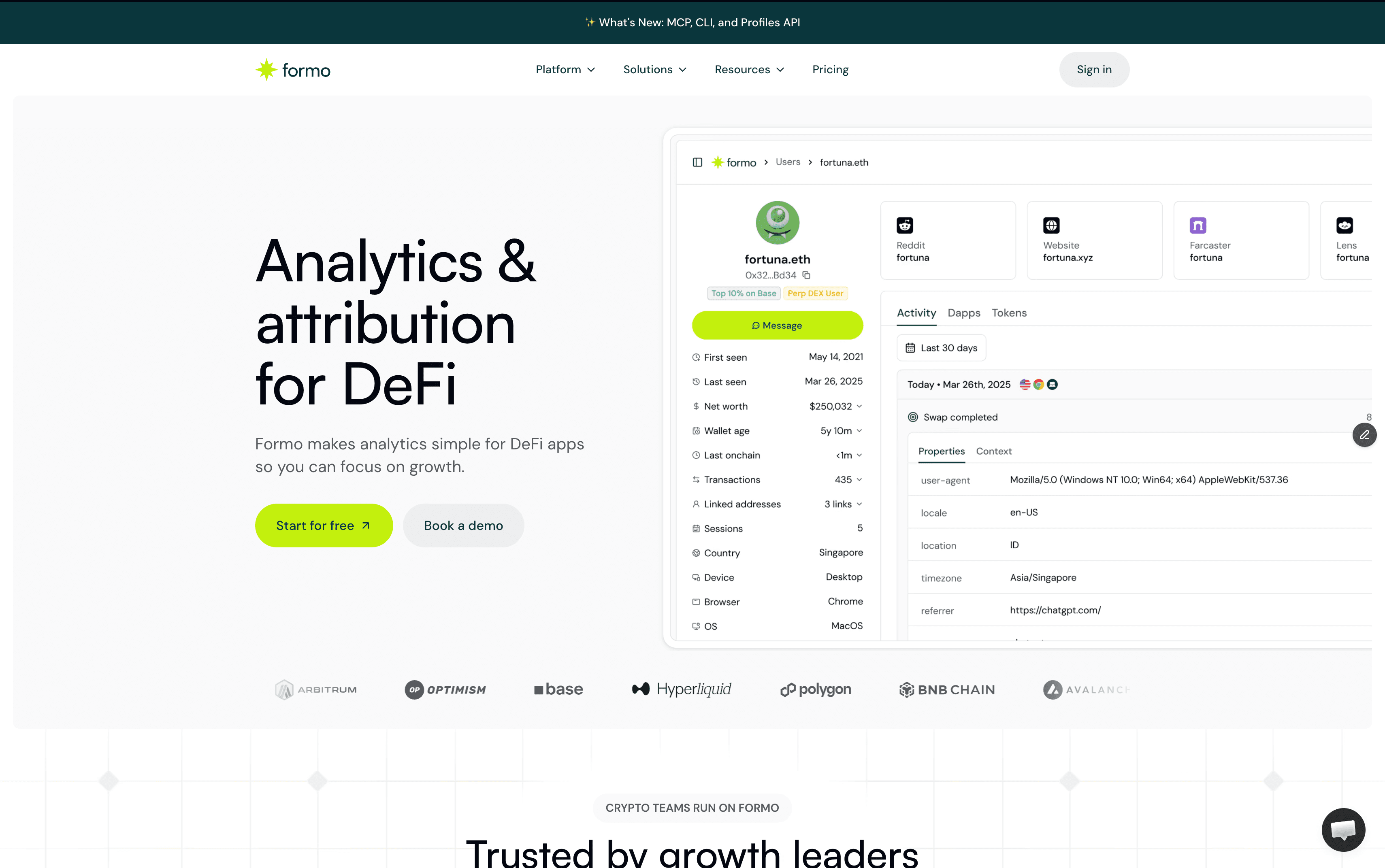
Understanding crypto user activation involves analyzing how users engage with blockchain applications. A comprehensive approach includes tracking metrics such as onboarding completion rates, wallet setups, and transaction frequency. In 2025, these metrics are increasingly pivotal as platforms refine strategies to enhance user journeys.
Data indicates that effective onboarding processes can boost user activation rates significantly, with improvements of up to forty percent noted in some cases. By leveraging platforms like Formo, crypto teams can gain deep insights into user behaviors, identifying pain points and opportunities for optimization. This data-driven approach not only enhances user experience but also supports growth initiatives within the evolving blockchain ecosystem.
FAQs About Crypto User Activation Metrics
What are crypto user activation metrics?
Crypto user activation metrics are measurements that track how effectively new users move from initial signup to active participation in a blockchain application. The three core signals are activated wallets, which are wallets that complete at least one meaningful onchain action such as staking, minting, or swapping; activation rate, which is the share of new wallets that complete a meaningful action after onboarding; and time-to-first transaction, which measures how quickly a new user completes their first onchain transaction after signup.
What metrics should I track to see if my crypto onboarding is working?
The clearest indicators of onboarding effectiveness are activation rate and time-to-first transaction. Activation rate tells you what share of new wallets are converting into active users, while time-to-first transaction is a leading indicator of long-term retention since users who transact quickly after signup show higher engagement over time. Supporting metrics include onboarding completion rates and wallet setup rates, which help identify where users drop off before they ever reach their first transaction.
What metrics should I track when switching to a wallets-as-a-service platform to improve onboarding?
When evaluating a wallets-as-a-service platform for onboarding improvement, track activation rate before and after the switch as the primary signal of onboarding effectiveness. Pair that with time-to-first transaction to measure whether the new flow gets users to their first meaningful onchain action faster. Also monitor KYC completion rates, since embedding verification directly in the wallet flow rather than routing users elsewhere reduces drop-off. If sixty-eight percent of new wallets abandon platforms within thirty days, the platform change should move all three of these metrics meaningfully within the first month of deployment.
What is activation rate in crypto?
Activation rate is the percentage of new wallets that complete at least one meaningful onchain action after onboarding. A higher activation rate signals that the onboarding process is effectively converting new signups into engaged users. Platforms with well-structured onboarding processes have recorded activation rate improvements of up to forty percent compared to those without optimized user journeys.
What are the most common mistakes when measuring crypto user activation?
The most common mistakes are operating without clearly defined KPIs, which makes it impossible to assess whether activation strategies are working; focusing on trend-driven product decisions rather than genuine user needs; and neglecting security, which erodes user trust and drives abandonment. Treating social channels as broadcast tools rather than community engagement surfaces also undermines activation by reducing the quality of users entering the onboarding funnel in the first place.
How does combining onchain and offchain data improve activation measurement?
Onchain data gives you a transparent, tamper-proof record of every transaction and wallet interaction. Offchain data adds context around those actions, including market conditions, regulatory environment, and user-reported behavior. Combining both lets teams understand not just what users did but why they did or did not complete activation steps, enabling more targeted improvements to the onboarding flow.
How can Formo help with crypto user activation analytics?
Formo gives crypto teams a unified view of wallet-level behavior across onboarding and activation flows. Teams can track onboarding completion rates, identify where wallets drop off before their first transaction, and segment users by activation status to run targeted retention or re-engagement campaigns. This makes it possible to move from aggregate activation rate data to specific, actionable improvements in the user journey.
Related Articles
Check out these related articles for more information:
Key crypto user activation metrics - Provides comprehensive coverage of critical Web3 product metrics that directly complement the activation metrics discussed in this article.
Onchain user behavior - Deepens understanding of how to analyze onchain behavioral data patterns that drive the activation metrics covered in this article.
Analyzing user behavior in DeFi - Explains how to segment users based on behavior patterns, enabling teams to implement the targeted improvements mentioned in the article.
Web3 analytics guide - Provides foundational knowledge on tracking user behavior and growth metrics that support the activation measurement framework discussed here.


